
Progress is not inevitable. It’s time to demand more from our leaders.
Reflections from Women Deliver 2026
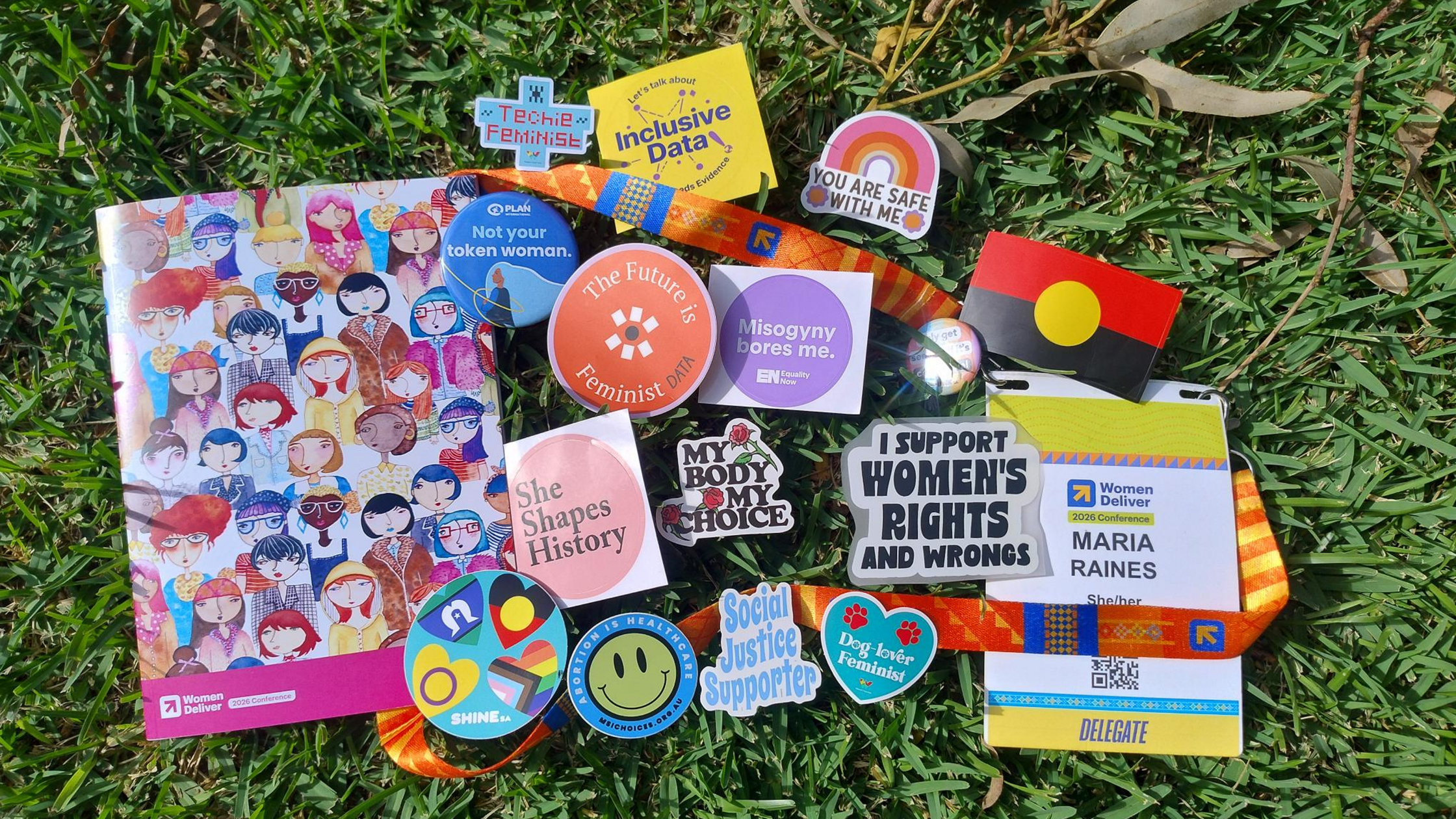
I’ve just returned from four days in Naarm (Melbourne), where I had the privilege of attending Women Deliver 2026 - one of the world’s largest gatherings for gender equality. Around 6,000 delegates from over 180 countries, from different movements, regions and generations, came together at a moment of deep uncertainty, to resist, reimagine and rebuild.
It was intense. Immersive. At times overwhelming.
One moment, I was in vast plenary halls listening to heads of state and global leaders speak to systems, scale and strategy. The next, I was sitting cross-legged on the floor with grassroots organisers and activists.
I heard first-hand accounts of violence, resistance and survival. Stories of war. Of rights being stripped back. Of lives lived under constant threat. But also, stories of courage, creativity and defiance. Of movements being built in the most hostile conditions. Of people refusing to give up.
That contrast stayed with me and it clarified something fundamental about this moment.
First: things are bad. Really bad.
After decades of gradual gains, progress on the rights of women, girls and gender diverse people is stalling, and in some cases reversing. This is not accidental, and it is not simply “backlash.” It’s the result of a coordinated, strategic and well funded attack on human rights and equality.
What struck me most was how openly this is now being named. The idea that progress is inevitable has been shattered. There was a shared recognition that what we are facing is structural, deliberate, and global, and that it demands a different level of response.
Second: women, and their allies, are extraordinary.
Across the week, I heard from women who have survived violence, persecution and systemic exclusion and who have gone on to lead movements that are saving lives, often at very real risk to their own.
If the first reality is confronting, the second is galvanising. The movement is not disappearing. It is evolving and being led by people with lived experience, deep courage and an unshakable commitment to justice.
There was grief in those rooms, and anger, but also optimism and fierce resistance. A refusal to accept that this moment defines the future.
We are not giving up and we will build a better future.
But that future will not build itself. It requires us to act differently.
Resist division
Despite vast differences, anti-rights actors have united effectively around a common goal. Meanwhile, those working towards gender equality have too often allowed differences of opinion to fragment collective power.
This has to change. Solidarity is not symbolic; it is strategic. If we cannot find ways to stand together, we risk undermining the very progress we are trying to defend.
Fund (and trust) grassroots organisations
Over and over again, a consistent message came through: those closest to the issues, most often women, are already leading solutions. And yet they remain the most underfunded, while navigating complex, often exclusionary funding systems.
If we are serious about change, we need to shift both power and resources. That means trusting grassroots organisations with flexible, long-term funding, and getting out of their way.
Demand more from our leaders
As Jacinda Ardern said during the conference:
We exist in a failure of leadership and it is critical that we don't start lowering our expectations…
Build up those who lead with empathy, support women into politics, and never lower your expectations of the political system that they are a part of.
Don't drop your expectations. Please, demand more.
Demand more. More urgency. More courage. More follow-through.
Because incremental progress will not meet this moment.
Ultimately, this is a leadership challenge. It demands we rethink not just who leads, but how we grow, support and sustain the kind of leadership this moment requires.
What this week made clear is that we are at an inflection point. Rights can be rolled back. Progress can stall. But collective action and effective leadership can still shift the course.